Introduction to Giada De Laurentiis Cacio E Pepe
What is Cacio E Pepe?
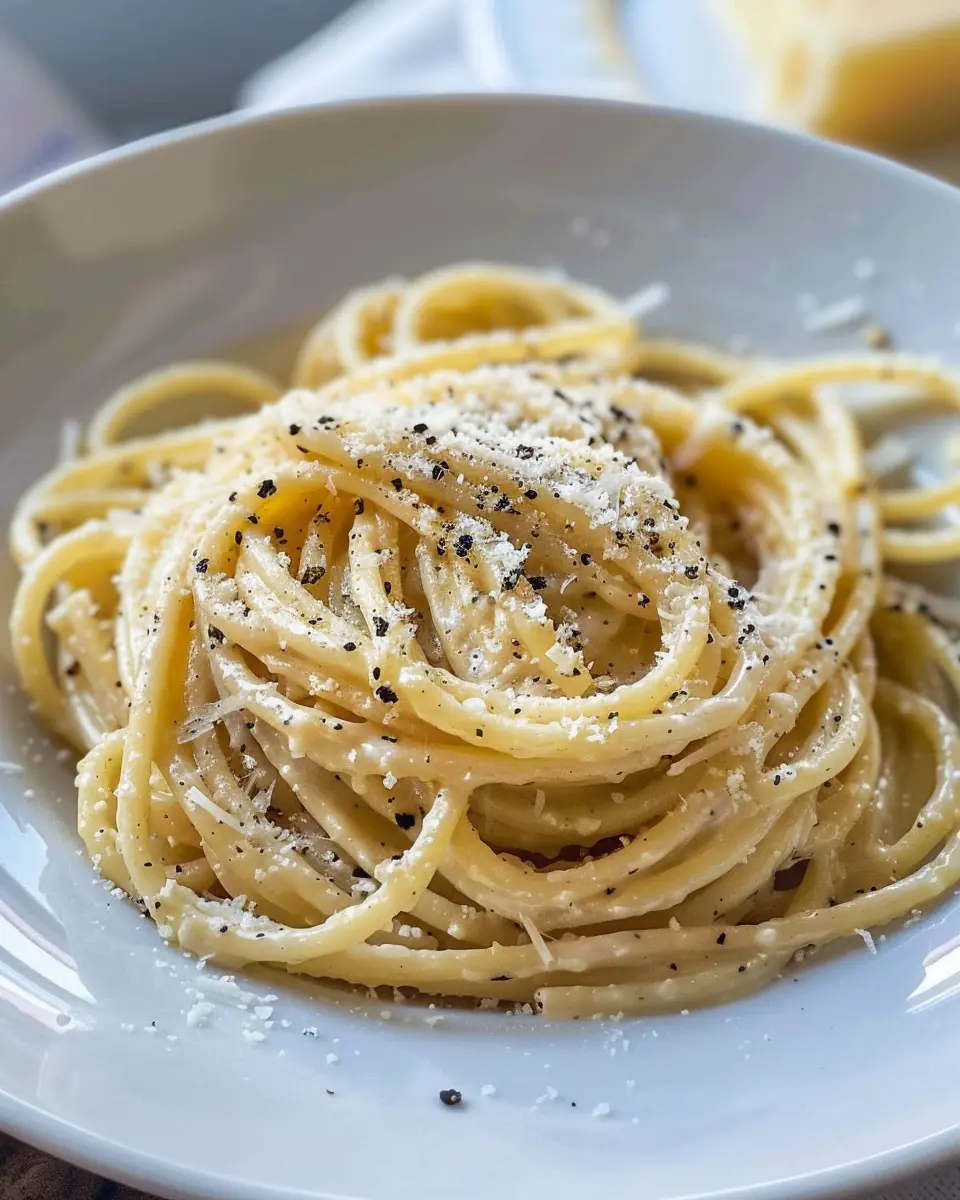
Cacio e pepe, which translates to “cheese and pepper,” is one of the simplest yet most indulgent dishes you can prepare. Originating from Rome, this classic dish features just a handful of ingredients: pasta, Pecorino Romano cheese, black pepper, and, of course, love. Its charm lies in the creamy sauce that results from the perfectly combined cheese and pasta water, creating a silky texture that clings to every strand of spaghetti or bucatini.
Imagine a cozy Italian trattoria, where the aroma of freshly cracked black pepper fills the air as you savor each delicious bite. It’s a reminder that great things often come in simple packages. Giada De Laurentiis brings this traditional recipe to life with her own unique twist, inspiring home cooks everywhere to appreciate the magic of Italian culinary traditions.
Giada’s Influence on Italian Cuisine
Giada De Laurentiis is a culinary star known for her vibrant personality and passion for Italian culture. With her Italian-American roots, she has a talent for demystifying traditional techniques and ingredients, making Italian cooking approachable for everyone. Her version of Cacio e Pepe captures the essence of this beloved dish while adding a personal touch that resonates with modern audiences.
By emphasizing fresh ingredients and cooking with an eye for detail, Giada encourages young professionals—those who cherish both flavor and health—to explore the rich world of Italian cuisine. Whether through her cookbooks or television shows, she emphasizes that cooking does not have to be intimidating. Instead, it can be a delightful, creative outlet.
One of the main draws of Giada De Laurentiis’s recipes is her ability to incorporate wholesome alternatives without sacrificing flavor. Want to elevate your Cacio e Pepe experience? Consider using high-quality truffle oil for an unforgettable twist.
For more on Italian cooking and its rich history, check out Italy Magazine. You might just find new inspirations to fuel your culinary ambitions!
In the upcoming sections, we’ll dive into the recipe itself, ensuring that you’re set to impress not just yourself but maybe even a crowd with this iconic dish. Are you ready to whip up some magic in the kitchen?
Ingredients for Giada De Laurentiis Cacio E Pepe
Essential pasta selections
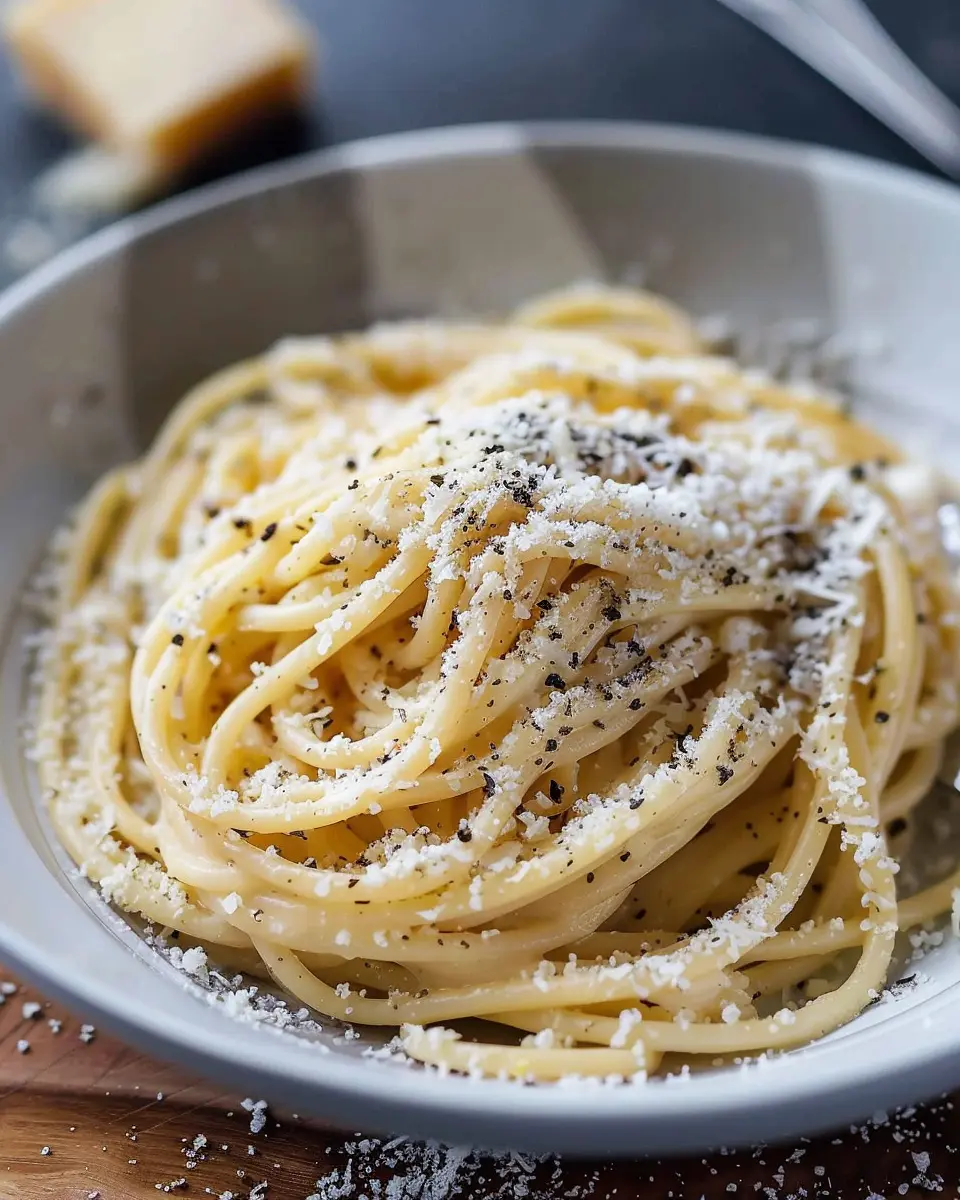
When creating a delightful Giada De Laurentiis Cacio E Pepe, the right pasta is crucial. Traditional recipes often call for spaghetti, but you can also use bucatini or fettuccine for a thicker texture that holds onto the sauce beautifully. Look for high-quality, semolina pasta for that perfect al dente bite to enhance your dish. Remember, it’s all about maximizing flavor and texture!
Cheese choices and quality matters
No Cacio E Pepe is complete without the star ingredient: cheese! Pecorino Romano is the traditional choice, providing a sharp and salty kick. Opt for freshly grated cheese rather than pre-packaged versions to ensure optimal creaminess and flavor. If you’re looking for a milder taste, a mix of Pecorino and Parmesan can work wonders. Always prioritize quality — after all, good cheese can elevate your dish from tasty to extraordinary.
For a deeper dive into the cheese selection process, check out this guide on cheese varieties!
Step-by-Step Preparation for Giada De Laurentiis Cacio E Pepe
Cooking can often feel like a chore, especially when you’re juggling work, social life, and all the other responsibilities that come with being a young professional. But what if I told you that whipping up a luxurious dish like Cacio e Pepe can actually be quick and simple? Inspired by renowned chef Giada De Laurentiis, this classic Italian pasta dish is as satisfying to eat as it is easy to make. Let’s dive into the step-by-step process.
Cooking the pasta to perfection
First things first—let’s get our pasta boiling! Start by filling a large pot with water and adding a generous amount of salt (think ocean-level saltiness!). Use about 4-6 quarts of water for every pound of pasta to ensure it cooks evenly.
- Bring that salted water to a rolling boil.
- Add your choice of pasta; traditional recipes use Spaghetti or Bucatini, but any long pasta will work beautifully.
- Cook according to package instructions, usually around 8-10 minutes. Taste a strand to ensure it’s al dente—perfectly cooked with a slight bite.
While you’re waiting, remember one key rule: don’t rinse your pasta! The starch forms the base of your sauce later on.
Melting the butter and toasting the pepper
Once the pasta is cooked, it’s time to level up the flavor! In a large skillet over medium heat, melt about 4 tablespoons of unsalted butter.
- As the butter begins to foam, add freshly cracked black pepper—around 2 teaspoons should suffice.
- Toast the pepper for about a minute to unlock its aromatic oils. Trust me; this step is what makes your dish sing.
The rich, buttery base paired with the crispiness of toasted pepper is where the magic begins.
Creating the sauce with pasta water
Now here comes the fun part: making the sauce! Before you drain your pasta, reserve about a cup of that starchy pasta water.
- Add about 1 cup of reserved pasta water to your skillet with the butter and pepper.
- Bring this mix to a gentle simmer, allowing it to thicken slightly—this will create a silky emulsion that clings perfectly to the pasta.
Many professional chefs, like those on Serious Eats, recommend this technique for enhancing the creaminess without overloading on dairy.
Tossing the cooked pasta in the sauce
Here’s where your pasta and sauce become best friends. Carefully transfer the cooked pasta directly into the skillet with the butter and pepper sauce.
- Toss the pasta gently over medium heat, ensuring every strand is well-coated.
- The heat from the pasta will continue to cook that lovely sauce, creating a luscious layer of flavor.
At this point, you might be asking yourself, “Why am I not making this more often?” You’re not alone; many find themselves in the same boat!
Adding the cheeses for creaminess
Now let’s finish with the star players—cheese! Gather about 1 cup each of freshly grated Pecorino Romano and Parmesan cheese.
- Gradually add the cheese to the pasta while tossing continuously.
- If the mixture seems too dry, don’t hesitate to add a little more reserved pasta water for the right creaminess.
As every piece of pasta gets enveloped in that cheesy goodness, I promise you’ll be dreaming of this dish long after you’ve finished.
In just a few simple steps, you’ve created a masterpiece worthy of Giada De Laurentiis herself. Next time you’re in need of a cozy yet sophisticated meal, be sure to revisit this Cacio e Pepe recipe. It’s straightforward, and the results are absolutely delectable—enjoy!
For more tips or to learn about alternative pasta dishes, check out Epicurious or Food Network.
Variations on Giada De Laurentiis Cacio E Pepe
Cacio E Pepe with a Twist: Adding Vegetables
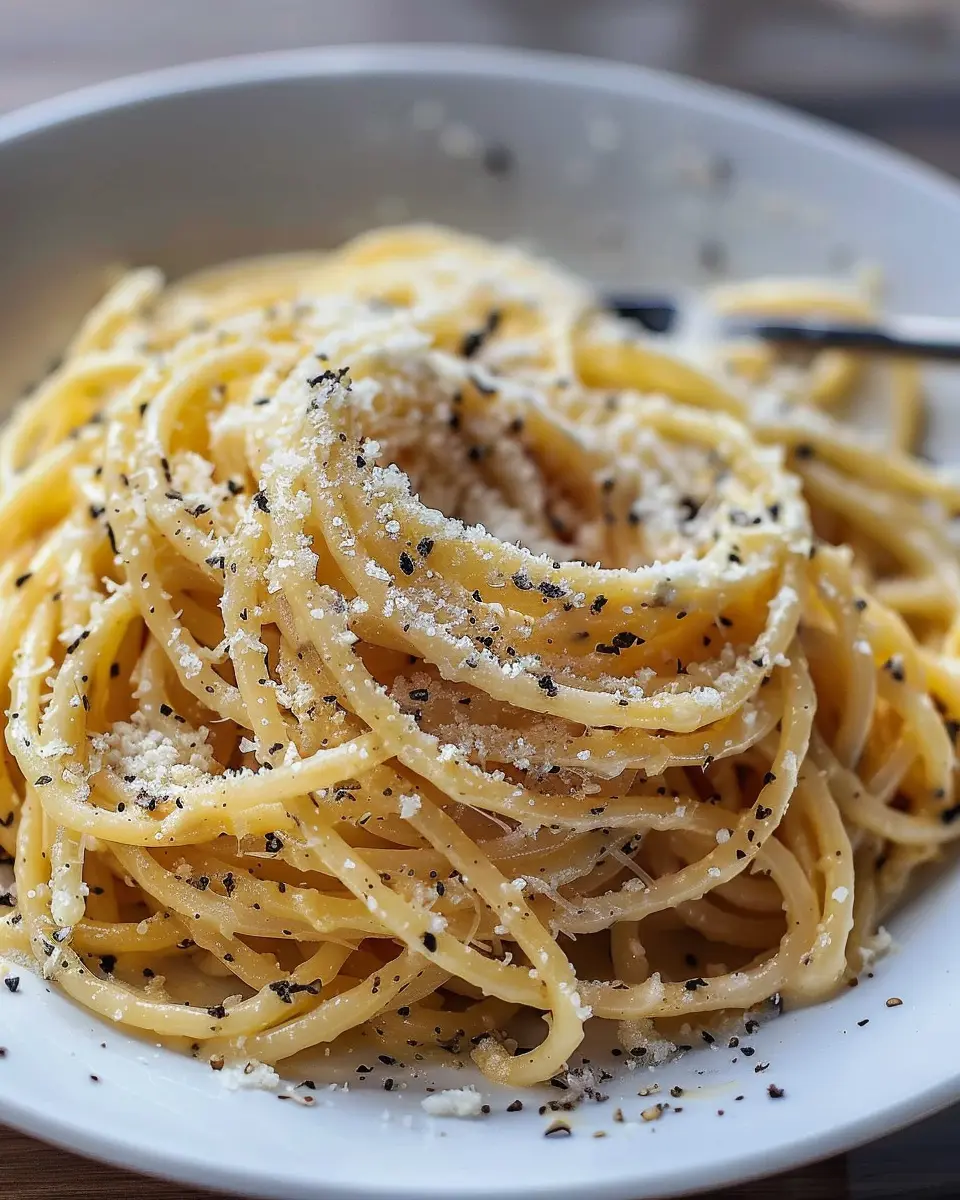
If you’re looking to elevate Giada De Laurentiis Cacio E Pepe beyond the classic flavor profile, consider adding some fresh vegetables to the mix. Not only do they enhance the dish visually, but they also introduce additional nutrients.
- Spinach or Kale: Sauté a handful of spinach or kale in olive oil before incorporating it with the pasta. The greens will soften beautifully, offering a nice contrast to the rich sauce.
- Asparagus: Chop asparagus into bite-sized pieces and blanch them briefly before mixing in. Their crunch complements the creamy texture nicely.
- Peas: Sweet peas add a pop of color and a burst of flavor. Stir them in just before serving for a fresh touch.
Spicy Version of Cacio E Pepe
For those who enjoy a bit of kick, a spicy take on Giada De Laurentiis Cacio E Pepe can be a game-changer. Here’s how to turn up the heat:
- Red Pepper Flakes: A sprinkle of red pepper flakes as you mix in your cheese gives the dish a fiery undertone. Start with a pinch and adjust based on your spice tolerance.
- Spicy Sausage: Substitute the classic pasta topper with crumbled spicy chicken sausage. This will introduce savory notes that balance well with the pepper’s heat and cheese’s creaminess.
- Chipotle or Jalapeño: For an adventurous twist, consider incorporating diced chipotle peppers or jalapeños. Their smoky and intense flavors pair beautifully with the pasta.
Feel inspired? Check out more creative variations from sources like Serious Eats for new ideas on your favorite Italian dishes. Who knew just a little change could make your pasta nights so much more exciting?
Cooking Tips and Notes for Giada De Laurentiis Cacio E Pepe
Choosing the right pasta
When it comes to making a delicious Giada De Laurentiis Cacio E Pepe, the pasta selection is crucial. Opt for high-quality spaghetti or tonnarelli; their long strands hold the sauce beautifully. Remember to cook the pasta al dente because it will continue to cook when you combine it with the sauce. Don’t forget to reserve a cup of the pasta water—this starchy liquid can help you achieve that creamily perfect texture.
Mastering the cheese balance
The star ingredients of Cacio E Pepe are Pecorino Romano and Parmesan, but mastering the balance is key. Start with a 2:1 ratio of Pecorino to Parmesan for a robust flavor. Grate the cheese finely to ensure it melts smoothly into the pasta. Feeling adventurous? Experiment with adding just a pinch of fresh cracked black pepper to elevate your dish. And remember, always taste as you go; adjusting the cheese and seasoning will make all the difference.
For more insights on cheese types and preparation, check out this comprehensive cheese guide. After trying this dish, you’ll understand why it’s a classic!
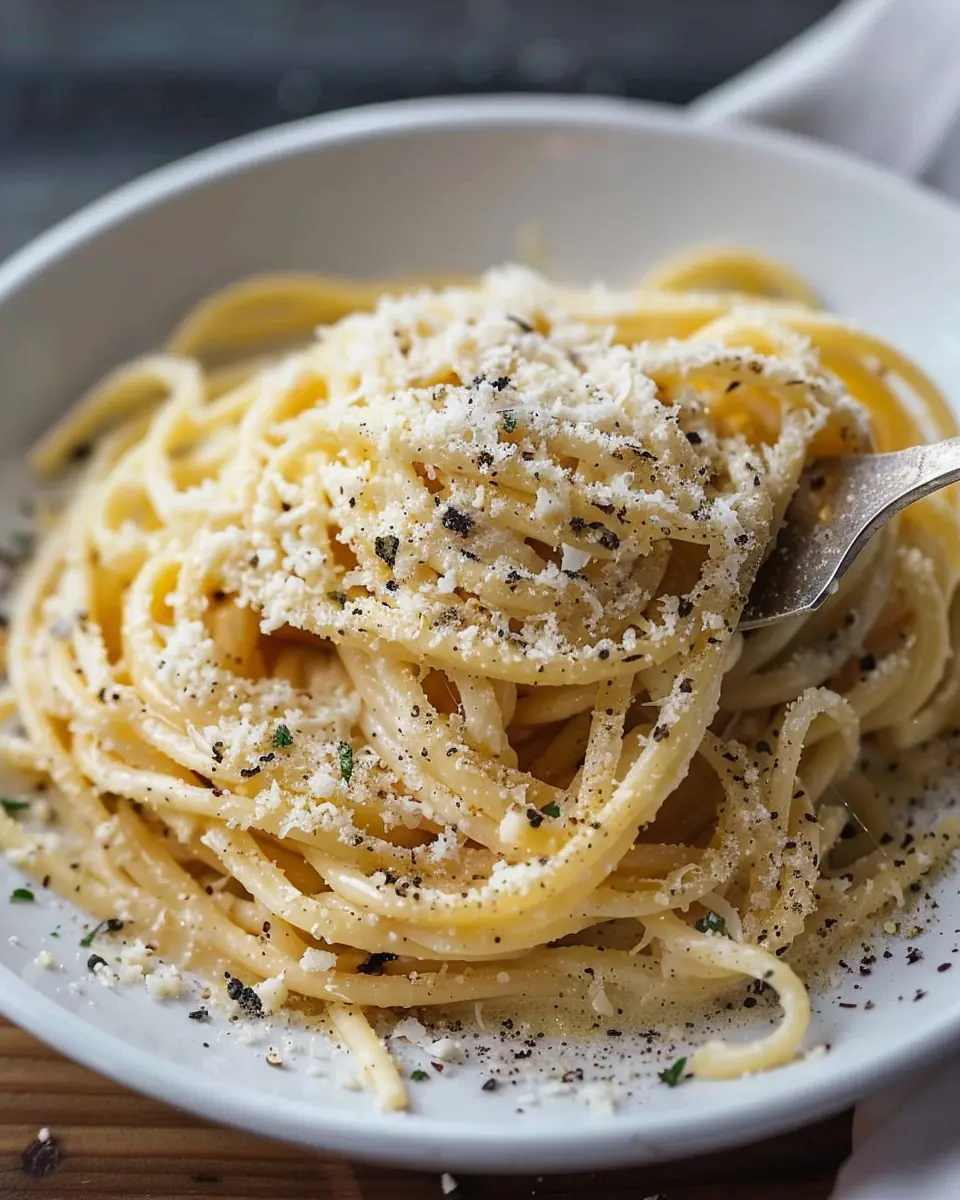
Serving Suggestions for Giada De Laurentiis Cacio E Pepe
Perfect Pairings with Sides
When enjoying Giada De Laurentiis Cacio E Pepe, sides can elevate your meal from delicious to extraordinary. Here are a few options that complement the creamy, cheesy goodness:
- Simple Arugula Salad: Toss together some fresh arugula, cherry tomatoes, and a zesty lemon vinaigrette. The peppery arugula balances the richness of the pasta.
- Garlic Roasted Vegetables: Roast seasonal vegetables like zucchini, bell peppers, and carrots with a sprinkle of garlic and olive oil for a colorful plate.
- Turkey Bacon Crisps: For a crispy texture, serve some turkey bacon on the side. The savory crunch adds a delightful contrast to the creamy pasta.
Presentation Ideas for an Impressive Meal
Making a meal visually appealing can turn dinner into a memorable occasion. Here are some creative presentation ideas for Giada De Laurentiis Cacio E Pepe:
- Use a Large Serving Bowl: Present the pasta in a stylish bowl and finish with a generous grating of Pecorino Romano cheese.
- Garnish Elegantly: Sprinkle cracked black pepper and a few sprigs of fresh herbs on top for a pop of color and freshness.
- Meal Kit Concept: Create a “build your own pasta” experience by offering diners a selection of add-ins like chicken ham, fresh herbs, or chili flakes.
These serving suggestions not only enhance the dining experience but also set the stage for great conversations around the table! For more inspiration on pasta meals, check out EatingWell’s ideas.
Time Breakdown for Giada De Laurentiis Cacio E Pepe
Preparation time
Getting everything ready for your Giada De Laurentiis Cacio E Pepe should take about 10 minutes. This includes gathering your ingredients and boiling your pasta. A little organization here goes a long way!
Cooking time
Once you dive into the actual cooking, expect to spend around 10 to 15 minutes stirring and mixing. This is where the magic happens, as you whip together creamy cheese and freshly cracked pepper for that perfect sauce.
Total time
In total, you’re looking at about 20 to 25 minutes from start to finish. Can you believe it? A delicious Italian dish made in less than half an hour! Perfect for a quick weeknight dinner or an elegant weekend meal.
For more quick recipes, check out New York Times Cooking or Bon Appétit. Cooking doesn’t have to be time-consuming, and with a few tricks, you can impress your friends and family with dishes like this!
Nutritional Facts for Giada De Laurentiis Cacio E Pepe
When enjoying Giada De Laurentiis Cacio E Pepe, it’s helpful to know what you’re putting on your plate. This comforting dish is rich, flavorful, and surprisingly straightforward in its ingredients. Here’s a quick look at the nutritional breakdown per serving:
Nutritional breakdown per serving
- Calories: Approximately 400
- Protein: 12g
- Fat: 15g
- Carbohydrates: 58g
- Fiber: 2g
- Sugars: 1g
While these numbers can vary based on portion size and specific ingredient brands, they provide a solid starting point. The combination of cheese and pasta gives a satisfying balance of carbs and fats, perfect after a long day.
Healthier cheese options
If you’re looking to lighten up your Giada De Laurentiis Cacio E Pepe, consider using alternative cheeses. Here are a few options:
- Parmesan: Classic and lower in calories compared to other cheeses.
- Pecorino Romano: Offers a stronger flavor, so you can use less.
- Nutritional yeast: For a dairy-free option that provides umami without the extra calories.
Get creative with your choices, and don’t forget to pair your dish with a refreshing lemon water or herbal tea instead of an alcohol drink for a healthy twist!
For more detailed nutritional insights, check out resources like the USDA FoodData Central to explore specific ingredients and their impacts on your diet.
Cooking is all about balance, so enjoy your pasta while making smart substitutions that maintain flavor without compromising your well-being!
FAQs about Giada De Laurentiis Cacio E Pepe
When it comes to the classic Italian dish Cacio E Pepe, there are often questions that arise for home cooks looking to get it just right. Below, we tackle some common FAQs to elevate your culinary adventure.
What pasta types work best for Cacio E Pepe?
Though Cacio E Pepe is traditionally made with spaghetti, there are several pasta types that work wonderfully to capture that creamy cheese and pepper goodness. Consider trying:
- Bucatini: Its hollow center holds onto the sauce beautifully.
- Fettuccine: Wider noodles offer a delightful chewiness.
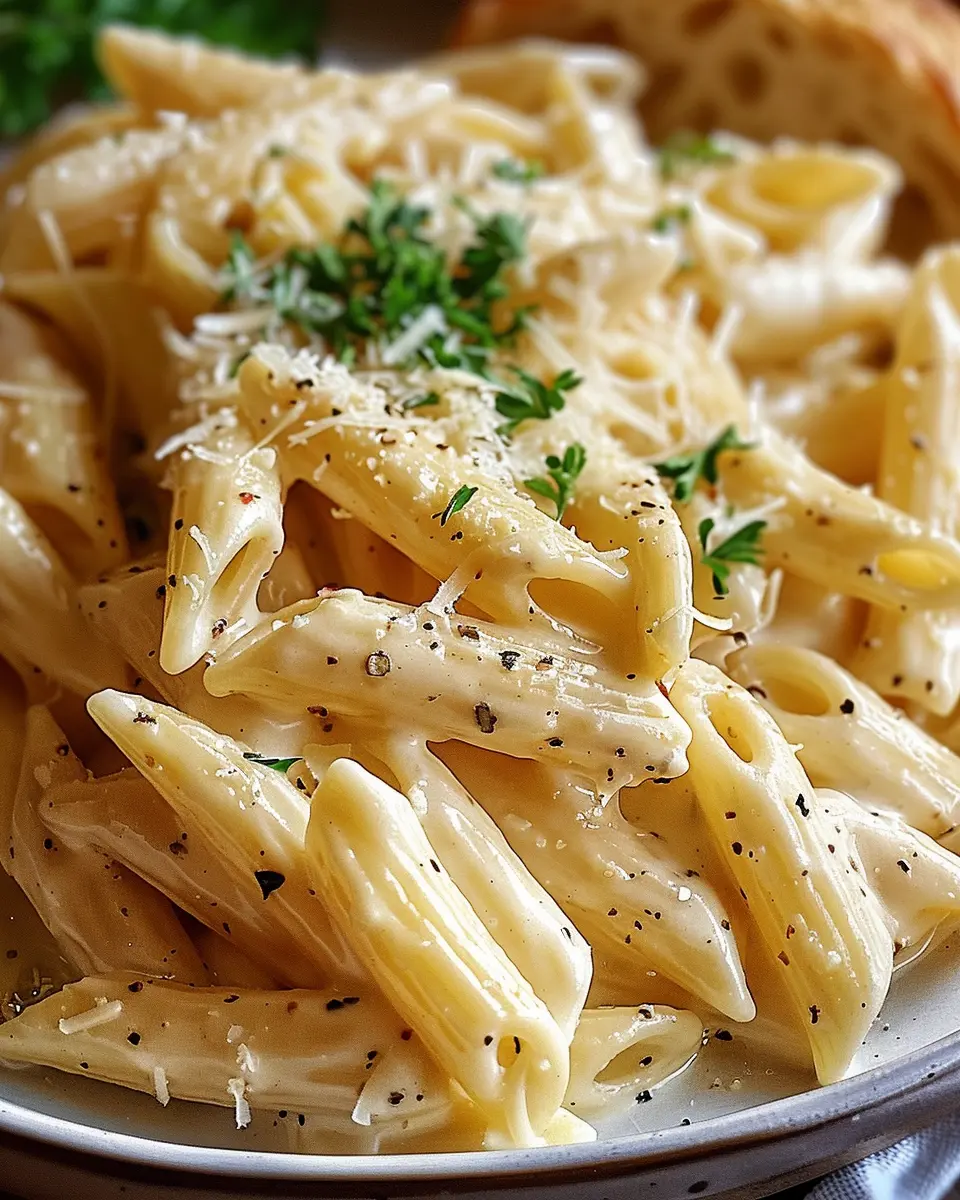
- Penne: They’re great at catching both cheese and pepper.
Feel free to experiment! The key is to choose a pasta that provides enough surface area for the ingredients to cling.
How can I make Cacio E Pepe less creamy?
If you prefer a lighter version of Giada De Laurentiis Cacio E Pepe, there are simple tweaks. Reducing the amount of cheese can significantly decrease creaminess while maintaining flavor. Another option is to:
- Add more pasta water: This helps thin out the mixture without sacrificing flavor.
- Use a blend of cheese: Incorporating a bit of a sharper cheese can help balance the dish without additional creaminess.
Can I use pre-grated cheese?
While pre-grated cheese is certainly convenient, it often contains anti-caking agents that can affect texture and melting. For the best results in your Cacio E Pepe, freshly grated Pecorino Romano or Parmesan will give you that smooth, rich sauce culinary perfection.
For more cooking tips and in-depth techniques, check out resources like Serious Eats or Bon Appétit. Happy cooking!
Conclusion on Giada De Laurentiis Cacio E Pepe
Recap of Why You Should Try Making This Dish
If you’re looking for a dish that’s simple yet bursting with flavor, Giada De Laurentiis Cacio E Pepe is a must-try. This pasta dish is all about quality ingredients and technique. With just a few pantry staples—like spaghetti, pecorino romano, and fresh black pepper—you can create a meal that feels indulgent and sophisticated. It’s perfect for a weeknight dinner or impressing guests with your culinary skills.
So why not give it a shot? Not only will you enjoy making it, but you might just find a new favorite in your recipe collection. Dive into this delicious experience and savor every bite of creamy, cheesy goodness!
For more inspiration, check out resources on pasta cooking techniques or learn about the history behind cacio e pepe.
PrintGiada De Laurentiis Cacio E Pepe: An Easy Comfort Classic
A simple yet delicious recipe for Cacio E Pepe inspired by Giada De Laurentiis.
- Prep Time: 10 minutes
- Cook Time: 15 minutes
- Total Time: 25 minutes
- Yield: 4 servings 1x
- Category: Pasta
- Method: Boiling
- Cuisine: Italian
- Diet: Vegetarian
Ingredients
- 400 grams spaghetti
- 100 grams Pecorino Romano cheese, grated
- 50 grams black pepper, freshly cracked
- 1 tablespoon olive oil
- salt to taste
Instructions
- Cook the spaghetti in a large pot of salted water according to the package instructions until al dente.
- In a large bowl, combine the grated Pecorino Romano and cracked black pepper.
- Once pasta is cooked, reserve some pasta water and drain the rest.
- Add the hot pasta to the cheese and pepper mixture, stirring quickly to create a creamy sauce. Add pasta water as necessary.
- Drizzle with olive oil and serve immediately.
Notes
- For a creamier sauce, add a bit more reserved pasta water as needed.
- Use freshly cracked black pepper for the best flavor.
Nutrition
- Serving Size: 1 plate
- Calories: 550
- Sugar: 1g
- Sodium: 500mg
- Fat: 20g
- Saturated Fat: 5g
- Unsaturated Fat: 10g
- Trans Fat: 0g
- Carbohydrates: 75g
- Fiber: 3g
- Protein: 18g
- Cholesterol: 20mg
Keywords: Giada De Laurentiis Cacio E Pepe, comfort food, Italian recipe